Bond Investing in 2026: Yields, ETFs & Strategy

Bond Investing in 2026: What the Yield Curve Is Telling You
For most of the past two years, bonds were the investment everyone loved to hate. Rising interest rates crushed prices, long-duration funds lost double digits, and the classic 60/40 portfolio looked broken. But markets move in cycles — and in 2026, fixed income is back in a serious conversation for investors who want stability, income, and a hedge against equity volatility.
This guide breaks down what you need to know about bond investing right now: how treasury bonds work, what the yield curve is signaling, and which bond ETFs deserve a spot in your portfolio.
What Are Treasury Bonds and Why Do They Matter?
Treasury bonds are debt securities issued by the U.S. federal government. When you buy one, you're lending money to the government in exchange for regular interest payments (called coupon payments) and the return of your principal at maturity.
Treasuries come in three main flavors:
- T-Bills: Maturities under one year. Closest to cash.
- T-Notes: 2 to 10 years. The workhorse of the fixed income world.
- T-Bonds: 20 to 30 years. Higher yield, higher price sensitivity.
Because U.S. Treasuries are backed by the full faith and credit of the federal government, they're considered the closest thing to a risk-free investment. That makes them the benchmark against which virtually every other asset is priced.
When Treasury yields rise, bond prices fall — and vice versa. This inverse relationship is the core mechanic every bond investor must internalize.
Reading the Yield Curve in 2026
The yield curve plots interest rates across different maturities. In a healthy economy, longer-dated bonds yield more than short-term ones — you get paid more for tying up your money longer. That's a normal yield curve.
When short-term rates exceed long-term rates, the curve inverts. Historically, an inverted yield curve has preceded most U.S. recessions with remarkable reliability. It signals that bond markets expect economic slowdown and eventual rate cuts from the Federal Reserve.
Heading into 2026, the curve has been in a slow process of re-steepening after one of the most extreme inversions in decades. The 2-year/10-year spread — the most watched segment — has been normalizing as the Fed paused its rate hike cycle and markets began pricing in future cuts.
What does this mean for investors? A re-steepening yield curve is historically favorable for:
- Intermediate-term bonds (5–10 year range), which benefit from falling short-term rates without as much duration risk as the long end.
- Active repositioning away from cash-like instruments, which will yield less as rates eventually decline.
- Locking in current yields before cuts compress them further.
The window to capture today's still-elevated yields may be narrower than it appears.
Duration Risk: The Number Every Bond Investor Must Know
Duration measures how sensitive a bond's price is to interest rate changes. A bond with a duration of 7 years will lose roughly 7% of its value if rates rise by 1 percentage point — and gain about 7% if rates fall by 1 point.
This is why long-term bond funds got devastated in 2022–2023: 20-year Treasury ETFs fell 30–40% as rates surged. Duration was the weapon, and most retail investors didn't see it coming.
In 2026, with rates potentially at or near their peak, duration is shifting from enemy to friend. If the Fed begins cutting rates, longer-duration bonds stand to deliver capital gains on top of their coupon income. The risk is that inflation re-accelerates, keeping rates elevated — which is why many advisors are recommending a barbell or ladder approach rather than going all-in on the long end.
Bond ladder strategy: Spread your investment across multiple maturities — say 1, 3, 5, and 10 years. As shorter bonds mature, reinvest the proceeds. This smooths out reinvestment risk and keeps you from having to time the market perfectly.
Best Bond ETFs to Consider in 2026
For most individual investors, bond ETFs are the most practical way to get fixed income exposure. They offer diversification, liquidity, and low costs. Here are the main categories worth examining — this is not personalized investment advice; always consult a qualified financial professional before investing.
Short-Term Treasury ETFs
These hold T-Bills and short-term T-Notes. They have minimal duration risk and currently offer competitive yields. They're suitable for capital preservation and as a parking place for cash you may need in 1–2 years.
Intermediate-Term Treasury ETFs
Funds targeting the 3–10 year range sit in the sweet spot for 2026: meaningful yield, moderate duration, and direct exposure to the part of the curve that benefits most from re-steepening. This is where many strategists are positioning.
Aggregate Bond ETFs
Broad market bond funds hold a mix of Treasuries, investment-grade corporate bonds, and mortgage-backed securities. They're diversified by definition and work well as a core fixed income holding. The trade-off is less precision — you get corporate credit risk alongside government bonds.
TIPS (Treasury Inflation-Protected Securities) ETFs
TIPS adjust their principal value with inflation. If inflation stays above expectations, TIPS outperform nominal Treasuries. In 2026, with inflation still above the Fed's 2% target in many projections, a small TIPS allocation can serve as portfolio insurance.
High-Yield Bond ETFs
High-yield (or "junk") bonds offer significantly higher income but carry corporate default risk. In a potential slowdown, high-yield spreads can widen dramatically, causing sharp price drops. These are for investors who understand the risk and want equity-like returns with slightly less volatility.
How Bonds Fit Into a Broader Portfolio
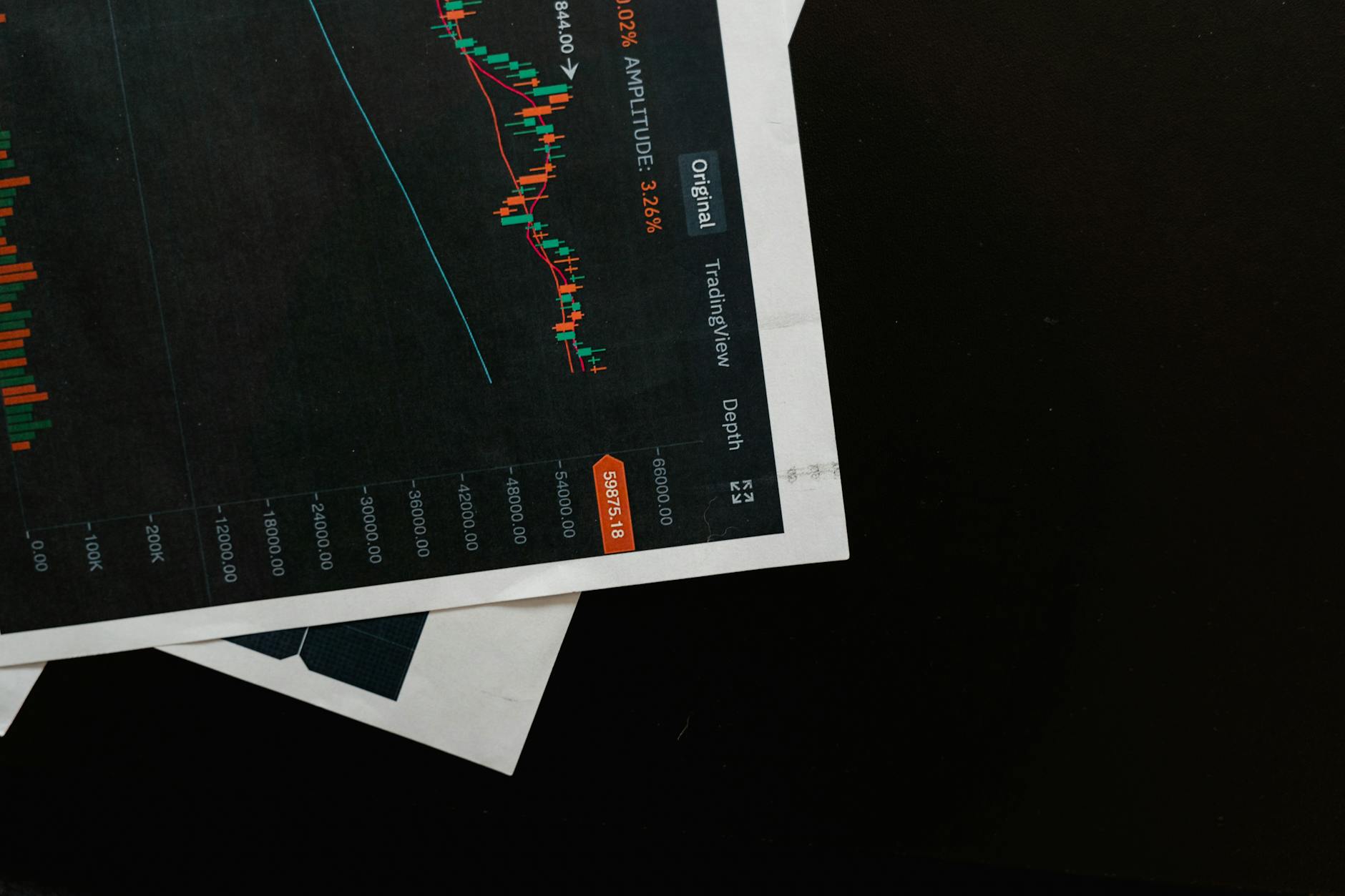
The traditional argument for bonds is diversification. Bonds have historically had a low or negative correlation to stocks during equity bear markets — when stocks fall sharply, investors flee to the safety of Treasuries, pushing bond prices up.
That correlation broke down in 2022, when both stocks and bonds fell together as the Fed hiked aggressively. But that was an unusual macro environment driven by a supply-shock inflation spike. In a more typical slowdown or recession — the kind the yield curve may be hinting at — the stock-bond negative correlation tends to reassert itself.
For investors with a 5–15 year horizon, a fixed income allocation isn't just about yield. It's about dampening portfolio volatility, providing rebalancing opportunities, and ensuring you can meet near-term cash needs without selling equities at the wrong time.
The Case for Acting Now
Here's the core argument for bond investing in 2026: you're being paid to wait. The yields available on intermediate and long-term Treasuries today are the highest they've been in nearly two decades. If rates fall from here — whether due to Fed cuts, slower growth, or a flight to safety — bondholders capture both income and capital appreciation.
If rates stay flat, you still earn the coupon. The scenario where bonds actively hurt you — rates rising sharply from already elevated levels — is possible but increasingly less likely given where we are in the cycle.
That's not a guarantee. It's a probabilistic assessment, and markets can surprise everyone. But for investors who have been sitting entirely in equities or cash, fixed income deserves a serious look in 2026.
Key Takeaways
- Treasury bonds provide risk-free yield and serve as the benchmark for all financial assets.
- The yield curve's re-steepening in 2026 is historically bullish for intermediate-term bonds.
- Duration is your key risk metric — understand it before buying any bond fund.
- Bond ETFs offer accessible, low-cost exposure to every segment of the fixed income market.
- A bond ladder or barbell strategy can reduce timing risk and smooth reinvestment returns.
- Bonds aren't just income — they're portfolio ballast and a recession hedge.
This article is for informational purposes only and does not constitute investment advice. Always consult a qualified financial advisor before making investment decisions.
Related Articles
- Bond Investing in 2026: Treasury Bonds, ETFs & Yield Curves — Rising rates changed everything. Here's how smart investors are using treasury bonds, bond ETFs, and
- Bond Investing in 2026: Treasury Bonds, ETFs & Yield Curves — Treasury bonds, bond ETFs, and yield curve signals explained — a practical 2026 guide to building a
- How to Invest in Bonds: Treasuries, ETFs & Yields — Discover how treasury bonds, bond ETFs, and yield curve signals can anchor your portfolio against ma