Tariff Deregulation Sectors: Who Wins?

Introduction
When Washington shifts its stance on trade policy and regulation, not all sectors react the same way. Understanding which tariff deregulation sectors stand to gain can help investors make more informed decisions—even if outcomes are never guaranteed. Historically, certain industries have shown resilience or outright growth during periods when tariffs rise and regulatory burdens ease simultaneously. This post breaks down those sectors, explains the underlying mechanics, and gives you a framework for thinking about the US industrial sector outlook during policy-driven market cycles.
How Tariffs and Deregulation Work Together
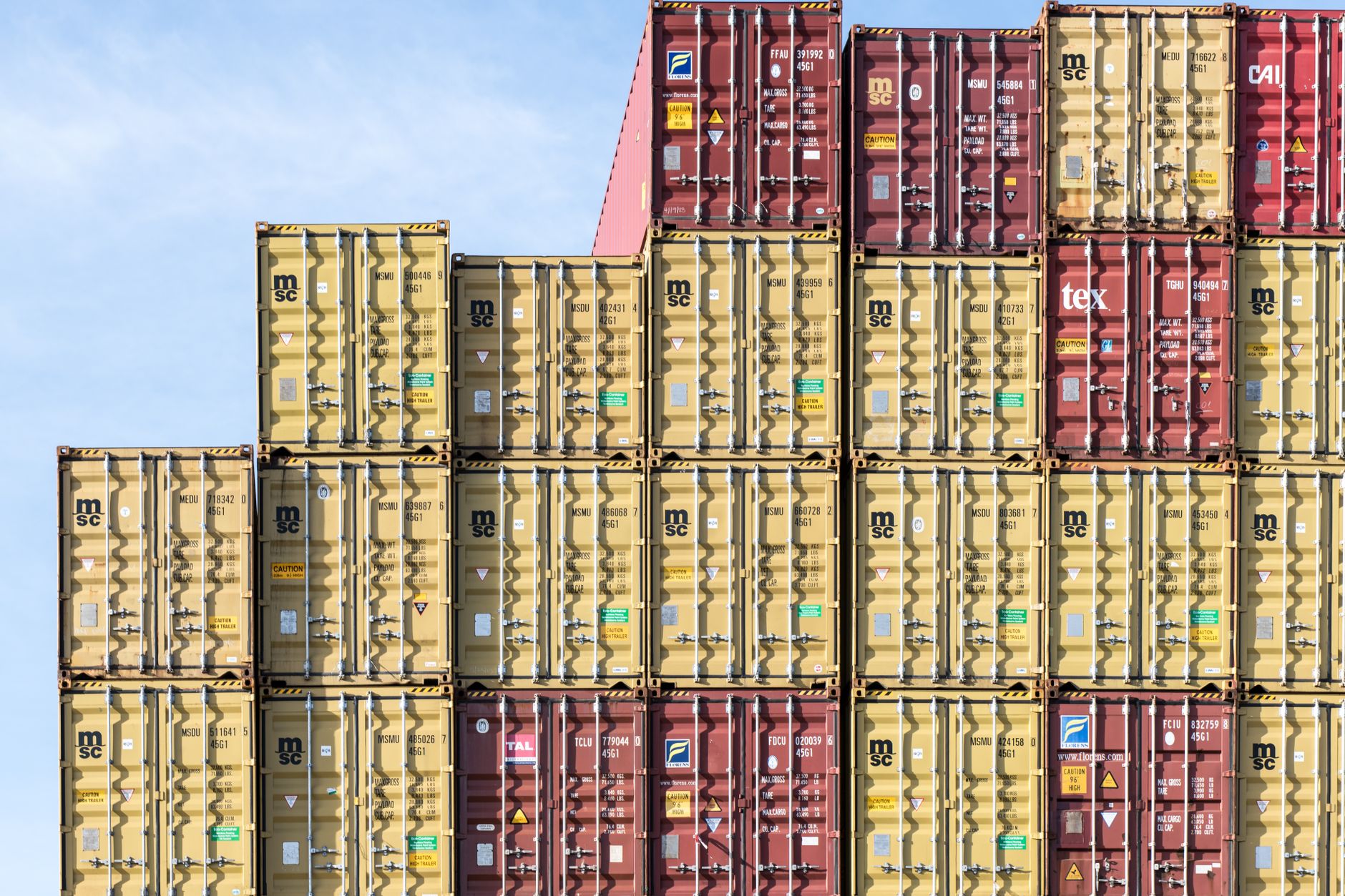
Before diving into specific sectors, it helps to understand how these two forces interact.
Tariffs are taxes on imported goods. When the government raises tariffs on foreign steel, for instance, domestic steel producers face less price competition. This can boost revenues and margins for domestic manufacturers—at least in the short term.
Deregulation removes or loosens rules governing how industries operate. When compliance costs fall, companies can redirect capital toward expansion, hiring, or shareholder returns.
When both happen simultaneously, the effect can compound. A steel company that faces fewer foreign competitors and lower compliance costs may find its business environment dramatically improved. Some analysts suggest this combination can accelerate earnings growth for affected companies more than either policy shift alone.
This is the core thesis behind watching tariff winners and losers carefully: the real winners often sit at the intersection of protected markets and lighter regulatory burdens.
The Mechanics of Competitive Moats
Tariffs essentially create temporary competitive moats. A domestic producer does not have to be the most efficient company in the world—it just needs to be efficient enough within a market where foreign rivals face higher entry costs. This is why investors have historically paid close attention to domestic manufacturing stocks during tariff-heavy periods.
Deregulation, meanwhile, lowers the cost of doing business. In capital-intensive sectors like energy or finance, regulatory compliance can consume significant resources. When those requirements ease, margins can expand—sometimes meaningfully.
Domestic Manufacturing: Steel, Aluminum, and Industrials

The US industrial sector outlook often brightens during tariff cycles, particularly for producers of basic materials.
Steel and aluminum are the classic examples. When tariffs are placed on imported steel and aluminum—as happened under Section 232 measures in recent history—domestic producers historically see improved pricing power. Import competition eases, domestic demand stays constant or grows, and producers can raise prices accordingly.
Heavy industrials tell a similar story. Companies manufacturing machinery, industrial equipment, or components for construction tend to benefit when:
- Foreign substitutes become more expensive due to import duties
- Infrastructure spending increases alongside tariff-driven reshoring trends
- Deregulation eases environmental permitting or labor compliance costs
Some analysts suggest that reshoring trends—companies moving production back to the US—create a structural tailwind for domestic manufacturing stocks that can persist well beyond any single tariff cycle. When manufacturers decide to build new facilities domestically, it generates demand for construction materials, machinery, and skilled labor across the industrial supply chain.
What Investors Typically Monitor
Investors considering industrial sector exposure during tariff cycles often watch utilization rates at domestic mills and plants, order backlogs at industrial manufacturers, capital expenditure plans by companies announcing reshoring initiatives, and input costs such as energy and labor, which can offset tariff-driven revenue gains.
The important caveat here is that tariffs can also raise input costs for manufacturers who rely on imported materials. A car manufacturer, for example, may benefit from tariffs on finished foreign vehicles but simultaneously face higher costs for imported parts. The net effect varies significantly by company and supply chain structure.
Energy Sector: Deregulation's Biggest Beneficiary

Energy deregulation investing has a long track record as a theme. The energy sector is among the most heavily regulated in the US economy, which means deregulation initiatives can have an outsized impact on profitability.
Oil and gas exploration historically benefits when permitting processes on federal lands are streamlined, environmental review timelines shorten, and offshore drilling restrictions ease. When companies can bring new projects online faster and at lower compliance cost, investors consider this a meaningful earnings catalyst. Some analysts suggest that deregulation in energy can compress the time between capital investment and revenue generation—a critical factor in an industry with notoriously long project development cycles.
Pipelines and midstream infrastructure also tend to benefit from lighter regulation. When pipeline permitting becomes easier, more infrastructure gets built, expanding the network that moves oil and natural gas from production sites to refineries and consumers. Midstream businesses often operate on fee-based models, meaning volume growth from deregulation-driven production increases can flow directly to earnings.
Coal and natural gas utilities have historically responded positively to deregulation as well—particularly when emission standards or operational mandates are relaxed. Though the long-term energy transition complicates this picture, policy-driven deregulation can provide shorter-term earnings support for conventional energy producers.
The Energy Tariff Angle
Tariffs play a subtler role in the energy sector. The US is a major energy producer, so import tariffs on energy commodities are not always a direct benefit. However, tariffs on solar panels and wind components—imported heavily from China—have historically benefited domestic manufacturers of these products, even as they raised costs for energy project developers.
The tariff winners and losers dynamic in energy is nuanced: component manufacturers gain, but developers who need those components may face higher project costs. Investors considering energy deregulation investing themes typically try to identify where in the supply chain the benefit actually accumulates before committing capital.
Financial Sector: Deregulation and Capital Efficiency

Financial sector deregulation is another historically significant theme for investors. Banks, insurance companies, and asset managers operate under extensive regulatory frameworks—and when those frameworks ease, the effects can be substantial.
Banks are perhaps the most direct beneficiaries. Key regulatory drivers include capital requirements, stress test frequency and severity, and lending restrictions. When banks are allowed to hold less capital in reserve relative to their assets, they can deploy more capital into loans and investments, potentially boosting return on equity. Less frequent or less stringent stress tests can reduce compliance costs and give banks more flexibility in capital return programs such as dividends and buybacks.
Some analysts suggest that financial sector deregulation can be particularly powerful for mid-sized regional banks, which historically bear a disproportionate compliance burden relative to their size compared to large money-center banks. Deregulation that raises the threshold for enhanced prudential standards, for instance, can deliver meaningful relief to regional lenders.
Insurance and asset management companies can also benefit when reporting requirements, fiduciary rules, or product regulations ease. Lower compliance costs directly improve margins in businesses that already operate on relatively thin spreads.
The Tariff Connection to Finance
Tariffs affect the financial sector more indirectly. When tariffs boost domestic manufacturing, industrial companies often borrow more to expand capacity—a positive for commercial lending volumes. Trade finance businesses may also see increased activity as companies restructure supply chains in response to changing tariff regimes. Investors considering financial sector deregulation themes sometimes look for institutions with heavy commercial and industrial loan exposure as a complementary consideration.
Defense and Aerospace: A Structural Case

Defense and aerospace represent an interesting intersection of tariff and regulatory policy. This sector warrants its own discussion because the dynamics differ from pure industrials.
Defense contractors often benefit from Buy American provisions embedded in defense appropriations, which function similarly to tariffs by requiring domestic sourcing for government procurement. Deregulation of export controls, when it occurs, can open new international markets for defense equipment. Increased defense budgets that often accompany the geopolitical tensions that trigger broader tariff cycles also provide a tailwind.
Aerospace manufacturers benefit from tariffs on competing foreign aircraft and components. When imported aircraft become more expensive, domestic producers can gain pricing power both domestically and potentially abroad.
Some analysts suggest that defense and aerospace is one of the more durable beneficiaries of tariff-and-deregulation cycles because the federal government is simultaneously regulator, customer, and trade policy architect. This concentration of influence gives policymakers stronger tools to direct benefits toward domestic players than in most other industries.
Risks and the Other Side of the Trade

Understanding tariff deregulation sectors is not complete without acknowledging the meaningful risks involved.
Tariff retaliation is perhaps the most significant risk. When the US raises tariffs, trading partners often respond in kind. Agricultural exporters have historically faced retaliatory tariffs that more than offset any benefits from import protection elsewhere in the economy. The tariff winners and losers calculus can shift quickly when retaliation targets previously unaffected sectors.
Deregulation can have unintended consequences. Financial deregulation that eases lending standards can contribute to credit cycles that eventually reverse painfully. Energy deregulation that removes safety requirements can lead to operational incidents creating significant liabilities for affected companies.
Policy reversals are a structural risk. Tariff and deregulation policies are among the most politically variable. What one administration implements, the next may partially or fully reverse. Companies that made capital investments predicated on a particular regulatory environment can find themselves disadvantaged if the rules change before those investments pay off.
Inflation effects from tariffs can erode consumer purchasing power, potentially dampening overall economic activity even as specific sectors benefit. The US industrial sector outlook can look strong in isolation while broader economic conditions soften meaningfully.
Building an Informed Investment Framework

For investors who want to think about these themes without taking undue risk, a few principles are worth considering.
Diversification within sectors helps manage the risk that any individual company's exposure to tariff and deregulation benefits is offset by company-specific issues. Investors consider broad sector exposure rather than concentrated single-stock bets when approaching these themes.
Time horizon matters considerably. Tariff and deregulation benefits often take years to fully materialize. Permitting changes may take time to translate into new production, and regulatory cost savings require operational adjustment. Longer-horizon investors may be better positioned to capture these benefits than those focused on near-term price movements.
Watching for second-order effects can also be valuable. The direct beneficiaries of tariff and deregulation policies often get priced in quickly once policy changes are announced. Investors who think carefully about supply chain effects, input cost changes, and industry structure can sometimes identify less-obvious beneficiaries before they attract broader attention.
Conclusion
Navigating tariff deregulation sectors requires understanding both the mechanics of policy and the structural characteristics of each industry. Historically, domestic manufacturing, energy, financials, and defense have shown tendencies to benefit when tariffs rise and regulations ease—but the picture is never simple, and results are never guaranteed.
The US industrial sector outlook, energy deregulation investing opportunities, and financial sector deregulation themes all carry real risks alongside their potential. Tariff winners and losers can shift rapidly as retaliation, inflation, and policy reversals create new dynamics that are difficult to anticipate.
The most useful thing an investor can do is build a framework for thinking about these forces rather than simply reacting to headlines. Understanding why sectors benefit—and under what conditions those benefits might not materialize—puts you in a stronger position to evaluate opportunities as they arise.
This post is for educational purposes only and does not constitute financial advice. Always consult a qualified financial advisor before making investment decisions.